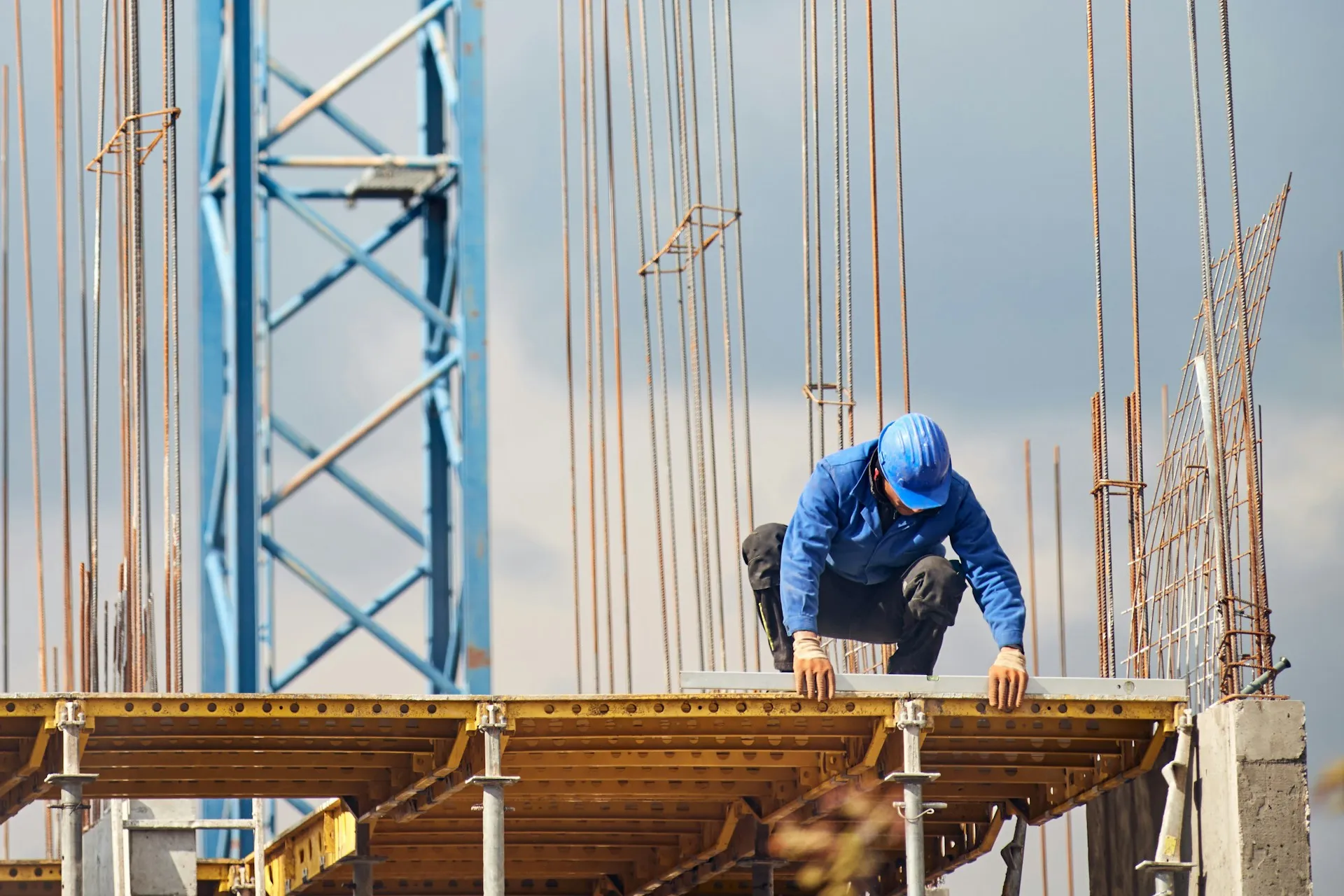
Ensuring safety in commercial construction projects is a top priority for everyone involved. Whether you're building an office complex or a retail center, understanding potential risks and managing them effectively is essential for success. Pre-construction safety assessments lay the groundwork for identifying hazards before any construction work begins. They help create a secure environment by preparing for unexpected issues and reducing the chance of accidents. This approach not only ensures the safety of workers but also protects the investment and speeds up the construction timeline by preventing delays.
The importance of conducting thorough pre-construction safety assessments cannot be overstated. They are an essential step in the planning phase of any commercial project. By pinpointing and addressing safety concerns early, you create a safer workspace, minimize disruptions, and ensure compliance with regulations. It sets the stage for a project that runs smoothly from start to finish. Let's explore what these assessments entail and why they are such a valuable part of the construction process.
Understanding Pre-Construction Safety Assessments
Pre-construction safety assessments are comprehensive evaluations conducted before breaking ground. They focus on identifying potential risks specific to a construction site and propose actionable solutions to mitigate those risks. A solid safety assessment will look at various elements, such as site conditions, environmental factors, and materials planned for use to ensure overall safety both during and after construction.
Key areas covered in these assessments include:
- Site Conditions: Evaluating the physical aspects of the site, including its topography and any existing structures.
- Environmental Factors: Reviewing natural elements that might pose risks, like flood zones or landslide-prone areas.
- Materials and Equipment: Ensuring that all materials and equipment meet safety standards and considering their impacts on worker safety.
Defining safety assessments means knowing how these areas interact and how they can influence each other. The primary aim is to gather detailed information that informs decision-making throughout the project. By doing so, you lay down a strong foundation for safety planning and compliance.
Identifying Potential Hazards
Hazards on a construction site can come in many forms, and identifying them early is crucial for minimizing risks. A detailed pre-construction safety assessment serves to highlight these dangers, which can be both obvious and hidden.
Common hazards often identified include:
- Physical Hazards: Uneven surfaces or unstable ground conditions that might cause falls.
- Chemical Hazards: Exposure to harmful substances used during construction.
- Environmental Hazards: Weather conditions or natural disasters that could interrupt construction.
Recognizing site-specific risks involves evaluating how the construction project will interact with its surroundings. For example, building on a hillside might expose the project to landslides, especially if the area is prone to heavy rainfall. Understanding how these factors might impact construction helps in developing strategies that protect both the workers and the infrastructure.
Identifying hazards is not only about noting what might go wrong. It's also about planning effectively to address these issues. With a comprehensive understanding of potential risks, construction managers can implement safety measures that prevent accidents and keep projects on track.
Safety Planning and Compliance
Developing a comprehensive safety plan is the next critical step once potential hazards have been identified. The plan should include strategies and procedures tailored to the risks specific to your project. It's important to engage with all key players on the construction site, from engineers to contractors, to ensure there's collective input and understanding of the safety measures.
Creating an effective safety plan involves:
- Detailed Risk Analysis: Understanding the likelihood and impact of identified hazards and developing strategies to mitigate them.
- Regulation Adherence: Ensuring compliance with all relevant local, state, and federal safety standards. This guards against potential legal issues and ensures a safe working environment.
- Collaborative Approach: Involving safety officers and construction managers to create a culture of responsibility and awareness. This collaboration helps maintain high safety standards throughout the project's duration.
Compliance isn't just about following rules; it's about building an environment where safety becomes second nature. With a robust plan in place, everyone on site can work confidently, knowing they're protected.
Implementing Safety Measures
With a plan set, it's time to put these safety measures into action. This phase of the project ensures that what's on paper translates effectively into real-world practice.
Here are key steps to implement safety measures:
1. Training and Education: Regular safety training sessions for workers to ensure they understand and can apply safety protocols.
2. Monitoring Systems: Set up regular inspections and safety audits to catch potential oversights and adjust plans as necessary.
3. Communication Channels: Establish clear lines of communication to report safety concerns swiftly and accurately.
Updating safety protocols regularly ensures they remain relevant and effective throughout the project. For example, if new equipment is introduced, its impact on safety needs assessing, and staff need training accordingly. This proactive approach prevents accidents and keeps everyone informed.
Ensuring Construction Safety with Pre-Construction Assessments
Pre-construction safety assessments play a vital role in shaping safe and productive work environments. By evaluating conditions before work starts, these assessments catch potential issues that might otherwise delay a project or compromise safety. They represent a crucial investment, contributing directly to a smoother, safer construction process.
In the bigger picture, safety assessments aren't just a formality. They're a commitment to prioritizing worker well-being and operational efficiency. This preparatory work results in a construction journey that's not only effective but also responsibly managed. Implementing what's outlined sets the tone for a project that realizes its goals without sacrificing safety.
By integrating comprehensive safety strategies, you ensure a smoother, safer construction process that prioritizes both worker well-being and operational efficiency. If you’re embarking on commercial building projects and want them to run safely and efficiently, learn more about the services for commercial construction offered by Bravo Building Co. to get started on the right track.