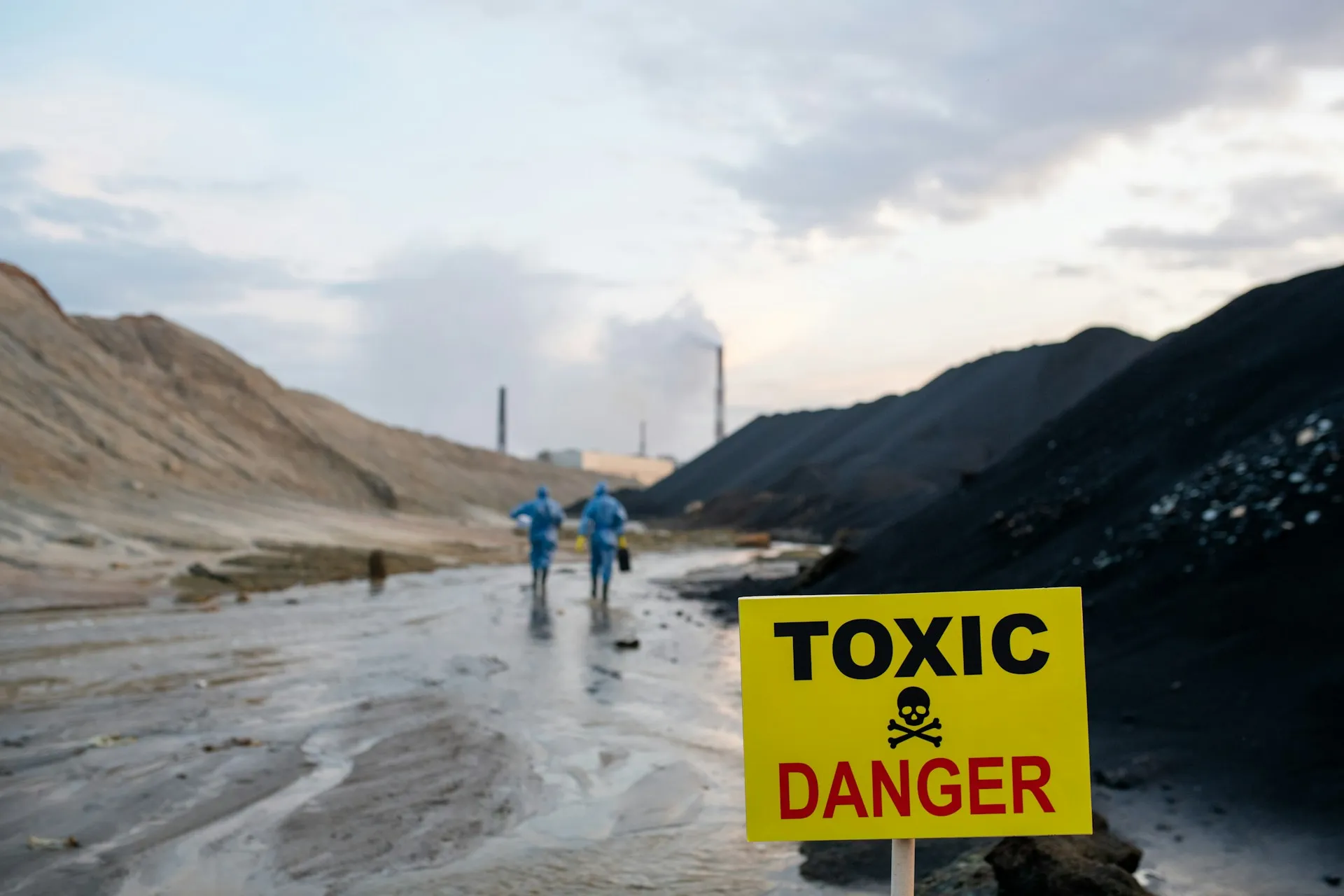
Choosing the right spot for a commercial building is a big decision for any business. Where that building sits can impact everything from customer foot traffic to shipping logistics. Picking the best location isn't just about finding a nice plot of land; it involves understanding what hazards might lurk there. Businesses need to be aware of environmental hazards that could make a commercial site less than ideal. Things like contaminated soil or flooding issues can create major headaches down the line.
When considering a site for a new commercial venture, it's smart to keep potential environmental hazards in mind. These risks can range from soil contamination, which might require expensive clean-up, to air quality issues that could affect employees' health. Nobody wants their brand-new building flooded because the site is in a flood-prone area. Being aware of these factors up front can save businesses money and prevent future problems from getting out of hand.
Understanding Environmental Hazards
Recognizing environmental hazards is key to ensuring a safe and successful commercial site selection. These hazards are natural or man-made risks that could negatively impact a business's operation or the health of its employees. Here are some common environmental hazards to watch out for:
- Soil Contamination: Previous industrial use could lead to harmful chemicals in the ground. This may necessitate soil testing and potential remediation to ensure safety and compliance with health standards. High levels of contamination might make a site unsuitable for development unless it is addressed.
- Flood Zones: If a site is located in a flood zone, it could face significant damage during heavy rains or storms. Flood risks can sometimes be managed with proper planning and construction techniques, but businesses should consider the potential for insurance and repair costs.
- Air Quality Concerns: Poor air quality, due to nearby factories or high traffic areas, can affect employees working at the site as well as any customers visiting. It may require additional ventilation systems or affect the site's long-term desirability.
Assessing these hazards isn’t just about checking boxes; it’s about understanding the long-term implications for the business. Each of these hazards can pose a real threat to the functionality and safety of a commercial site if not properly managed.
Conducting Environmental Assessments
When it comes to selecting a commercial site, environmental assessments are like a safety check for your potential investment. These checks are critical before finalizing any decision. They help uncover any hidden problems that might not be obvious at first glance. Environmental Site Assessments, or ESAs, come in two main phases.
Phase I ESA involves a basic review of the site's history, usually covering past uses that might hint at contamination. Experts will look into public records, conduct site visits, and even interview past owners or local residents. The goal here is to identify any potential issues that could affect the land’s future use.
If Phase I uncovers any red flags, Phase II ESA gets underway. This is where things get more hands-on. Testing elements like soil, water, or air conditions can provide concrete evidence of contaminants. It confirms whether there is a real problem that needs addressing before any construction begins.
Skipping these assessments is risky business. They protect your investment by ensuring the site meets environmental standards and your expectations. This proactive approach can save a lot of trouble and money down the road.
Mitigation Strategies for Environmental Hazards
Finding potential hazards is just the first step. Successfully managing these problems requires strategic thinking and a set of effective solutions. Mitigation strategies target the specific issues discovered during the assessment.
For soil contamination, remediation methods can clean up the affected areas. This might involve removing and replacing the soil, treating it with chemicals to neutralize pollutants, or using plants that naturally break down contaminants.
In areas at risk of flooding, structural defenses like levees and flood walls might be necessary. Flood-proofing strategies could also include the use of permeable pavements and stormwater management systems that direct excess water away from vulnerable areas.
To combat air quality issues, installing advanced ventilation systems can help maintain a safe environment inside the structure. These systems filter out pollutants and bring in fresh air, making the site healthier for employees and visitors.
Each of these strategies requires careful planning and execution. The goal is to mitigate risks effectively, ensuring a safe environment that doesn’t impact the commercial site's purposes.
Regulatory Compliance
Adhering to environmental regulations is non-negotiable when developing commercial properties. Local, state, and federal laws govern how lands can be developed, specifically concerning their environmental impact. Ignoring these can result in fines or even forced project shutdowns.
Working closely with environmental agencies ensures your project is compliant from the start. It's critical to understand what permits are necessary and how to acquire them. This process typically involves submitting detailed plans and undergoing inspections to verify that standards are met.
The benefits of aligning with regulations go beyond avoiding penalties. They supply peace of mind that your development respects the environment and supports community welfare. Compliance builds a positive reputation and relationship with stakeholders, including local governments, and aligns with long-term sustainability goals.
Ultimately, approaching commercial site selection with awareness and preparation makes all the difference. By considering environmental hazards, conducting thorough assessments, and complying with regulations, businesses set a strong foundation for success. With thoughtful steps, these challenges can shift from barriers to smooth paths ensuring the ideal spot for any commercial enterprise.
Considering the importance of selecting the right site for your commercial project, it's smart to ensure that all potential hazards are addressed effectively. If you're looking to dive deeper into strategies that support a successful selection of sites, explore how Bravo Building Co. can help. With careful planning and industry insights, you can secure a location that's both safe and optimal for your business endeavors.