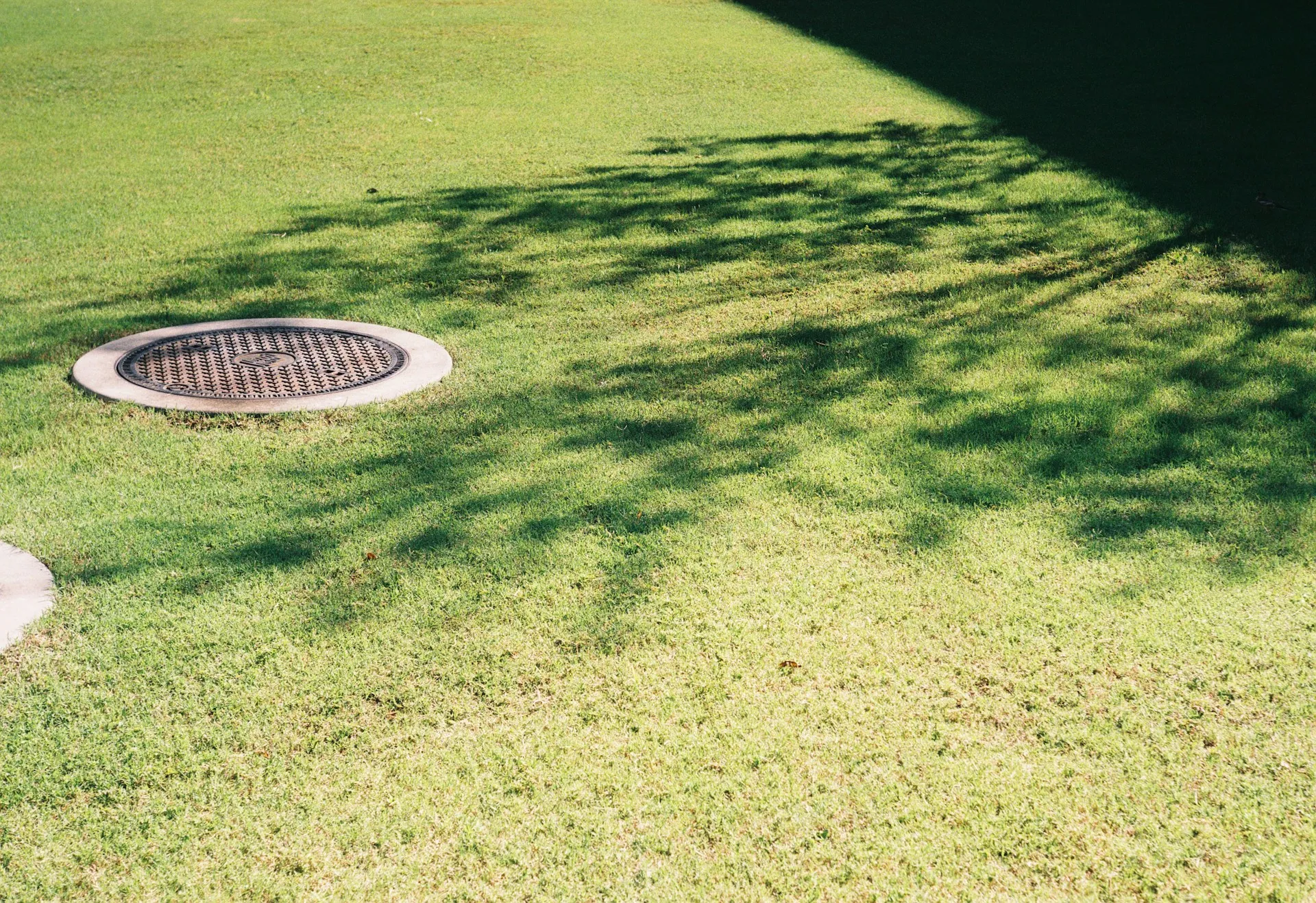
Drainage problems can cause major headaches in commercial property development. Before a tenant hands over payment or a storefront opens, water can create problems that ripple through the structure, pavement, and even the project schedule. A retail construction contractor will often notice warning signs early—standing water after a light rain, soil that never dries out, or curb areas that begin to sink unevenly.
These issues are not small. Poor drainage can shift deadlines, increase costs, or require repairs that could have been avoided from the start. When water has no clear path, it finds a way to collect exactly where you least want it. The right time to deal with drainage is before the first piece of equipment arrives. Here’s how we spot drainage risks, fix them, and keep commercial projects moving forward.
Assessing Site Drainage Before Breaking Ground
Site planning sets the whole tone for property drainage. Before construction, it’s smart to consider how water moves across the land, especially after heavy weather or irrigation. Each site has a natural slope or grade, so we watch where runoff settles once rain comes in. Some soils hold water too long, while others allow it to drain away fast. Missing these details raises the risk of placing a slab in the middle of a future puddle.
Low zones on a property collect water during storms. If those dip areas do not get fixed early on, the site ends up with erosion or damaged pavement before construction is finished. Making room for civil engineers at the start helps catch trouble spots—everything from flood-prone corners to buried pipes that limit drainage. Making these adjustments before work begins protects structures, sidewalks, and landscaping.
For Bravo Building Co., detailed early site reviews are a standard part of all commercial builds. Our crews use grading plans and civil engineering reports to prevent water collection in every foundation or parking layout.
Common Drainage Issues in Commercial Builds
Drainage trouble in new builds comes from a few usual sources. Some of the most common issues we see are:
- Clogged underground drainage pipes made for moving water off-site but jammed by debris, soil, or poor connections, allowing water to flow back onto the property
- Incorrect grading near store entrances, loading docks, or sidewalks, which lets water run toward the building instead of away
- Stormwater systems that aren’t big enough for the job—when a site adds more rooftops or paved areas than the drains can handle, water accumulates in places it should not
When pipes are blocked under fresh pavement, standing water collects near the surface or pushes up through seams and cracks. Poor slope can send rainwater under walls or inside loading zones, causing long-term damage to floors and stored products. If drain size or design doesn’t fit the property, quick summer storms or a week of steady rain can flood important areas.
How Drainage Impacts Long-Term Property Performance
Poor drainage leaves visible and hidden damage behind. Foundations can crack or slump when water sits close by for too long. Sidewalks may lift and shift as frozen water expands beneath them in colder seasons. In parking lots, water that seeps under blacktop will eventually break the surface, inviting weeds and causing new cracks.
Water damage leads to maintenance headaches, from replacing stained drywall to repairing rot under flooring. Wet spots along outside walls or in storage spaces attract pests like insects or rodents. Mold becomes a bigger risk, especially in shaded or low-traffic areas where water lingers unnoticed.
Issues from drainage can lead to tenant frustration. Retail operations see more complaints if water tracks inside or landscaping suffers from lack of flow. City inspectors might flag pooling water or slow drainage, affecting occupancy permits and delaying final openings.
Solutions Retail Projects Should Include from the Start
The best drainage fixes are built into a property from the very beginning. Depending on the site, a retail construction contractor may suggest:
- French drains or trench systems under flat lots to direct water away from structures
- Bioswales in landscaped areas to filter and slow surface runoff, reducing erosion
- Downspouts placed purposefully, always angled away from entries and building perimeters
Grading is shaped to send water to the right place, moving moisture away from access points or heavy traffic. When needed, extra fill or compacted gravel can guide water flow and protect weak soil zones.
Materials have a say, too. For crowded loading docks or busy walkways, pavers, concrete with drainage gaps, or other surface treatments allow water to filter through instead of pooling. These early choices often prevent surprise repairs months or years later.
With Bravo Building Co., site-wide drainage solutions are part of each commercial project plan. By taking a step-by-step approach from the start, surface and subsurface systems are aligned with the needs of every building, lot, and landscape.
Working With a Retail Construction Contractor to Prevent Drainage Delays
Involving the retail construction contractor from the earliest phase keeps drainage concerns front and center. Our field teams partner with plumbers, grading experts, and landscape crews to find the best spots for water lines, determine underground system depths, and position retention features like gravel beds or shallow basins where they work best.
Construction doesn’t stop for a little rain, but it does call for regular site checks. Through each stage, we look for slow runoff, puddles, or unexpected soft spots. Any slow draining after washing down concrete can be an early sign of a deeper problem. Catching it quickly means adjusting slope, clearing a drain, or adding more fill right then, not months later.
On large sites, site managers coordinate with everyone from subtrades to civil engineers. This collaborative style forms the backbone of Bravo Building Co.'s commercial services, saving both time and money on future emergency repairs.
Planning for a Stable Future After the Build
A commercial site with strong drainage stands up to weather, stays safer, and makes long-term property care easier. Owners find less disruption and lower maintenance, and tenants notice when outdoor areas stay clear and dry, no matter the conditions.
With the right drainage solution from the start, commercial spaces are more reliable and flexible for a range of future businesses. Early investment in thoughtful grading and water management means fewer emergencies and a smoother experience for everyone who uses the property. Every good commercial build starts with a plan to keep things dry and secure, no matter what the season brings.
Planning a new build or evaluating an existing site means thinking about how water moves from the start. Working with a knowledgeable retail construction contractor can keep drainage issues from slowing progress or damaging finished work. At Bravo Building Co., we look closely at water flow from day one so every layer that follows stays solid, dry, and ready for long-term results.