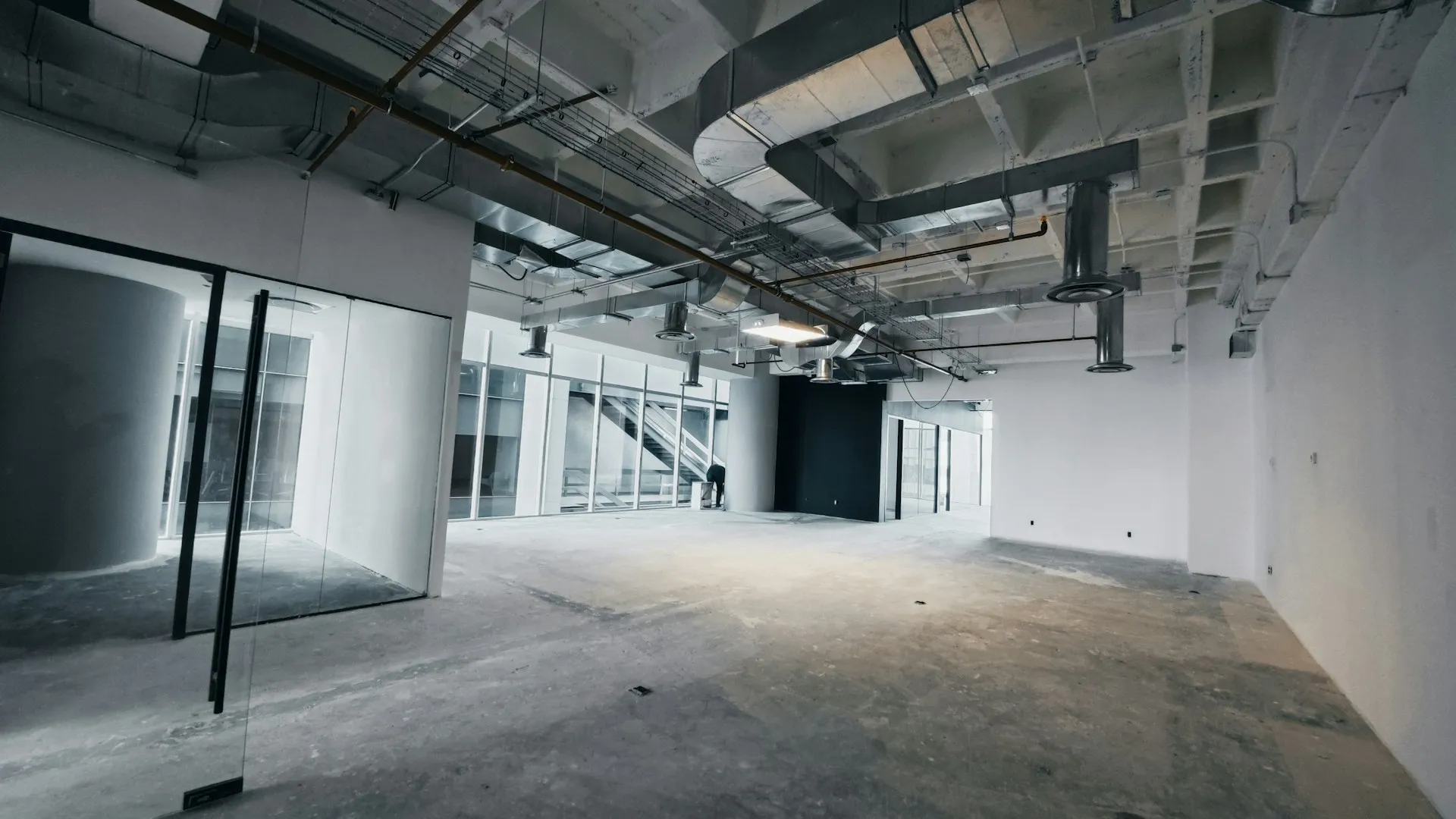
Renovating commercial tenant spaces is an exciting yet intricate process that holds the power to transform ordinary settings into dynamic, functional areas. The goal is often to create a space that meets the tenant's specific needs while enhancing the property's value. Approaching the renovation with the right strategies ensures these goals are met efficiently and effectively. A well-thought-out renovation not only breathes new life into a space but also caters to its intended use, creating a more productive environment.
Understanding and applying best practices in commercial tenant space renovations is key to achieving optimal outcomes. These practices streamline the design and construction process, helping to avoid common pitfalls. Moreover, by incorporating clear objectives and detailed planning, you pave the way for a smoother renovation process that is both cost-effective and in line with tenant expectations. Let’s explore how to set these practices into action.
Planning And Design
Good planning acts as the backbone of a successful renovation. Before any construction begins, take time to understand the specific needs of the tenant and the space. Consider how the tenant plans to use the area and what changes might make it more efficient and appealing. Identifying these requirements early guides design decisions and ensures that the renovation aligns with both tenant and property owner goals.
Start the planning process with comprehensive assessments:
1. Understand Tenant Needs: Meet with tenants to discuss their objectives and any specific requirements they may have. This step sets the foundation for a successful design that addresses all needs.
2. Evaluate Building Codes: Review local building regulations to make sure your design complies with all necessary codes. It's important to consider any legal requirements that could impact construction or design elements.
3. Design Considerations: Focus the design around functionality, aesthetics, and flexibility. Choose materials that not only look great but are also durable and appropriate for the type of business the tenant operates.
Once the planning phase is complete, collaborate with professionals to bring your vision to life. Architects and designers can provide valuable insights, ensuring plans are both innovative and feasible. This collaboration helps in crafting a space that is not only stylish and modern but also practical and inviting. Remember, the ultimate goal is a space that both enhances and reflects the tenant’s business identity.
Budgeting And Cost Management
Developing a solid budget is a fundamental step in commercial tenant space renovations. It's important to establish a realistic budget that accounts for all expected costs, from materials and labor to potential unforeseen expenses. Allocating enough funds to cover unexpected surprises is crucial, as no renovation project is without its hiccups.
Begin with a detailed estimate that includes:
- Labor costs, which often form a significant part of the budget.
- Material expenses, ensuring you choose quality over quantity.
- Permit and inspection fees to adhere to legal requirements.
To effectively manage these costs, adopting a methodical approach can save both time and money. For instance, engaging a knowledgeable project manager can streamline the process by keeping track of expenses and adjusting the budget as needed.
Project Management And Timeline
Efficient project management plays a pivotal role in ensuring that renovations are completed on schedule. A well-organized project manager can coordinate various elements, from ordering materials to scheduling contractors, which helps maintain the outlined timelines and minimizes the risk of costly delays.
Key strategies include:
- Regular progress meetings with all involved parties.
- A clear timeline with set milestones to track progress.
- Prompt communication to address any emerging issues.
Timely communication with both stakeholders and tenants is critical. Keeping tenants informed about progress and any disruptions they might face allows them to adjust their operations accordingly. This proactive approach fosters a positive relationship between the tenant and landlord and smoothens the renovation process.
Quality Control and Final Inspections
In wrapping up a commercial tenant renovation, a thorough quality control process is paramount. Regular inspections during the construction phase ensure that the work meets both safety standards and design expectations. Conducting a final walk-through with the tenant allows for immediate feedback and helps address any last-minute concerns.
Summing up these strategies ensures that renovations are not only aesthetically pleasing but also functionally sound. Following best practices makes the renovating journey smoother and more satisfying for everyone involved. Opt for professional services to guarantee a successful, hassle-free project that meets all your expectations.
Ready to improve your commercial spaces with expert guidance? Bravo Building Co. offers services for tenant improvements to help bring your vision to life. Our team is dedicated to creating functional and inviting spaces tailored to your needs. To learn more about how we can assist with your renovation project, visit our commercial services page today.